
Buffalo
Archaka Trading Food sets the gold standard for dedication to quality and food safety, evident in its meticulous approach to sourcing and processing BUFFALO meat. Through strategic alliances with accredited abattoirs in India, the company ensures that only meat from robust and healthy animals enters its supply chain, adhering to stringent hygiene standards throughout processing.
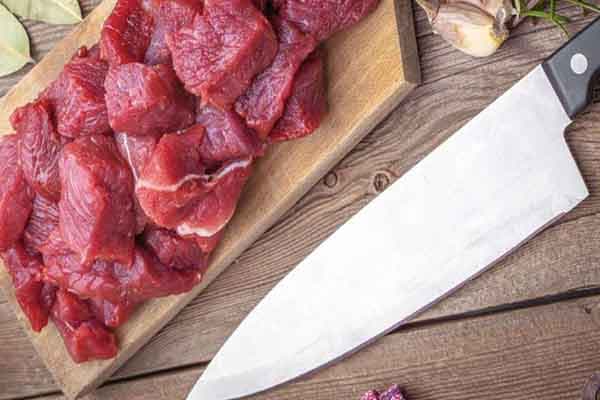
The company’s investment in cutting-edge processing facilities underscores its unwavering commitment to upholding the highest standards of meat quality. Equipped with state-of-the-art technology, these facilities facilitate precision cutting, expert packaging, and innovative freezing techniques, thereby preserving the freshness, flavor, and nutritional integrity of the meat at every stage of production.Archaka Trading Food’s commitment to excellence extends beyond national borders, catering to the discerning tastes of consumers both locally and globally. By consistently delivering on its promise of superior quality and safety, the company fosters trust and loyalty among customers worldwide, reaffirming its dedication to promoting consumer health and satisfaction.Bottom of Form
Buffalo meat, also known as bison meat, is renowned for its distinct flavor and impressive nutritional composition. Here’s a closer look at the key nutrients found in buffalo meat:
- Protein Powerhouse: Buffalo meat stands out as an exceptional source of high-quality protein, essential for tissue repair, immune function, and muscle development. Its protein content makes it a valuable dietary staple for individuals seeking to support their overall health and fitness goals.
- Iron-Rich: Rich in iron, buffalo meat plays a vital role in supporting oxygen transport in the blood and fueling energy metabolism. Adequate iron intake is crucial for preventing fatigue, promoting cognitive function, and maintaining optimal cellular health.
- Vitamin Variety: Buffalo meat boasts an array of essential vitamins, particularly B vitamins such as B12, B6, niacin (B3), riboflavin (B2), and pantothenic acid (B5). These vitamins are integral to energy metabolism, nervous system health, and red blood cell production, ensuring vitality and well-being.
- Zinc Zest: Buffalo meat serves as a notable source of zinc, a micronutrient essential for immune function, wound healing, and DNA synthesis. Incorporating buffalo meat into the diet can help support immune resilience and overall health.
- Selenium Support: Abounding in selenium, buffalo meat offers antioxidant protection against cellular damage and contributes to thyroid health. Selenium plays a critical role in neutralizing free radicals, promoting cellular integrity, and supporting metabolic function.
- Omega-3 Fatty Acids: While varying based on factors like diet and environment, buffalo meat may contain omega-3 fatty acids, renowned for their anti-inflammatory properties and cardiovascular benefits. Including buffalo meat in the diet may contribute to heart health and overall well-being.
In summary, buffalo meat provides a nutrient-rich alternative to conventional meats, offering a plethora of essential nutrients vital for optimal health and vitality. Whether enjoyed grilled, roasted, or incorporated into various culinary creations, buffalo meat stands as a wholesome and flavorful addition to a balanced diet, reflecting the natural richness of its environment and feeding habits.
Here are some major countries known for importing and exporting buffalo meat:
Top Importers of Buffalo Meat:
- United States
- China
- Vietnam
- Malaysia
- Thailand
- Philippines
- Saudi Arabia
- United Arab Emirates
- Kuwait
- Egypt
Top Exporters of Buffalo Meat:
- India
- Pakistan
- Brazil
- Argentina
- Australia
- United States
- Canada
- Uruguay
- Colombia
- Mexico
These countries play significant roles in the global trade of buffalo meat, either as major importers or exporters, driven by factors such as production capacity, consumer demand, trade agreements, and regulatory standards.